A man slipped on the ice and hurt his right chest wall. The radiologist says there are no fractures. I’m still suspicious. Is there a better a way?
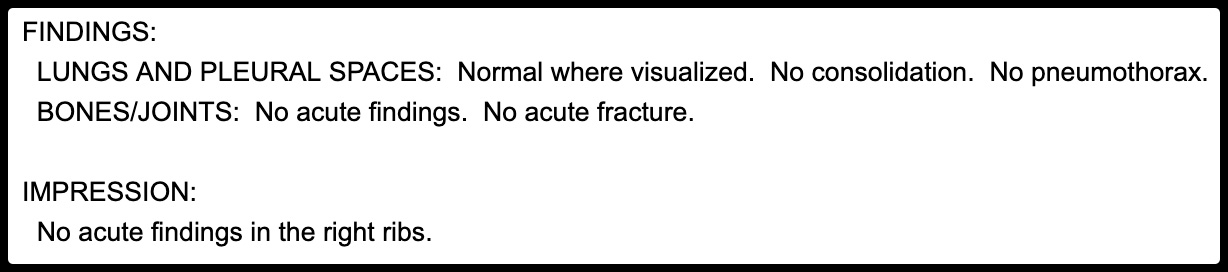
A man slipped on the ice and hurt his right chest wall. The radiologist says there are no fractures. I’m still suspicious. Is there a better a way?
I’ve written posts before about times that the cardiac monitor disagrees with the pulse oximeter as to how many times the heart is beating. In the prior post, it was due to PVC’s. This time it is something different…

While scanning a patient’s heart the other day, I noticed an artifact in the cine clips after adjusting the size of the color Doppler box. Let’s take a look.
Continue readingLearners get confused sometimes about which direction the probe is facing. Let’s look at how to know if you have it right or not.
Continue readingIndulge me in a few more thoughts and images about posterior vitreous detachments.
Continue readingAfter years of searching, I finally came across a few cases of retinal detachment. They are usually simple, but one similar diagnosis shows up when we learn about these things. There is an easy way to tell them apart, but you have to know what you are doing. Let’s have a look.
Continue readingI saw a 51-year-old man recently with hypotension and tachycardia. It got interesting.
Continue readingLearners often make the same same mistakes. One of the most common is not setting the depth properly. It’s not hard to fix, but it does need to pointed out. Let’s do that.

Sometimes we measure cylindrical(ish) structures on a bedside ultrasound. On some occasions, the patient later gets a radiology performed scan and our measurements don’t match. This could be why.
Continue readingBones are very echogenic, which makes their ultrasound appearance a bright white line that is often easy to see – particularly in the case of superficial long bones. That’s what makes ultrasound a great way to find fractures. Let’s look at some examples.
Continue reading Searcy EM